Moving with Pets: Tips for a Stress-Free Journey
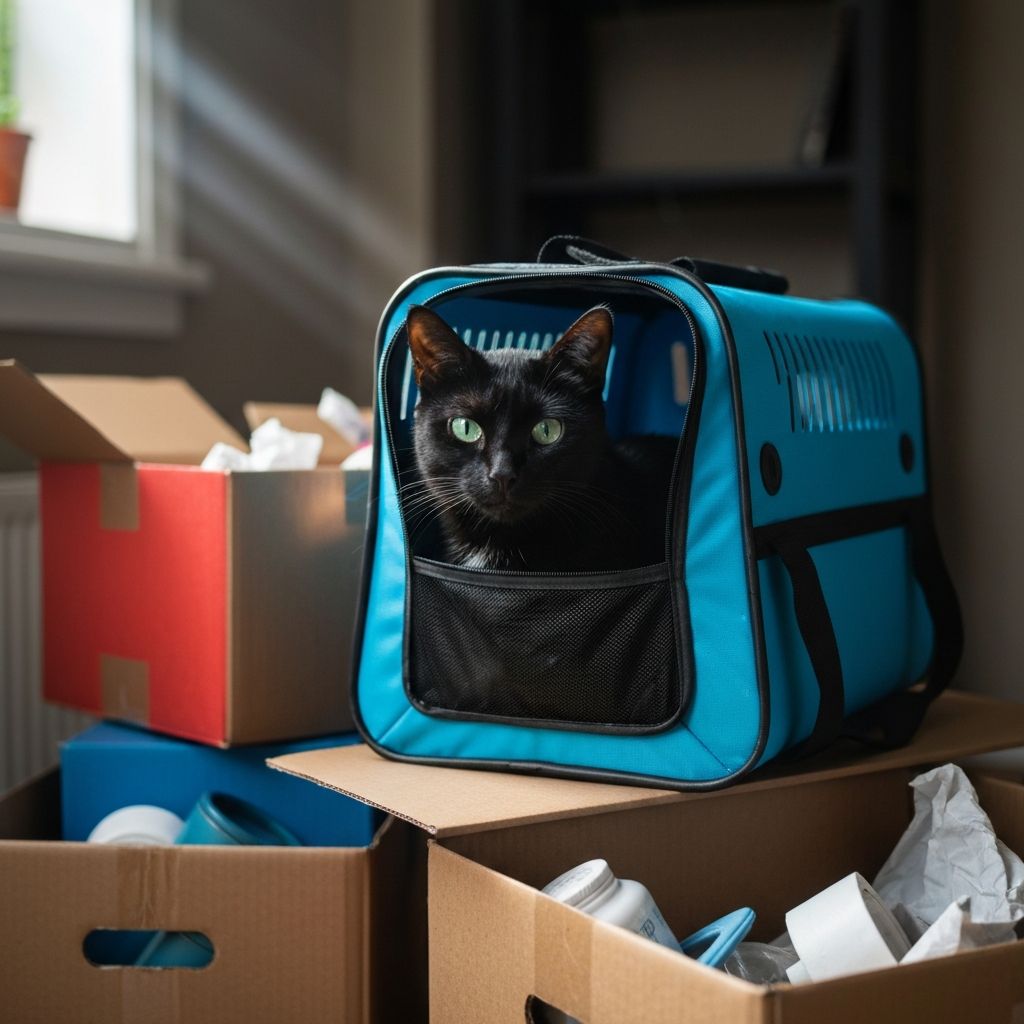
Moving can be stressful for both humans and pets. Pets thrive on routine and familiar environments, so relocation can be challenging. However, with proper planning and care, you can make the experience much better for your furry friends.
Preparing Your Pet for the Move Start preparing your pet weeks before the move. Gradually introduce them to packing materials and boxes. Let them explore moving boxes so they become familiar with them. This reduces anxiety when moving day arrives.
Visit to the Vet Schedule a vet checkup before moving. Ensure vaccinations are current and get copies of medical records. If your pet requires medication, stock up before the move. Ask your vet about anxiety relief options if your pet gets stressed.
Creating a Safe Space During Moving Designate a quiet room away from the moving activity where your pet can stay during the move. Include their bed, toys, water, and litter box (for cats). Minimize exposure to the chaos and commotion of moving day.
Transportation For local moves, keep your pet in a carriers or travel crate during transport. For long-distance moves, consider pet-specific transportation services. Never leave pets alone in a hot vehicle. Make frequent stops for water and bathroom breaks.
Settling Into Your New Home When you arrive, set up your pet's space first – bed, bowls, litter box, and toys. Let them explore gradually rather than overwhelming them with the entire house. Maintain their feeding schedule and routine as much as possible.
Finding New Pet Services Research and establish relationships with new veterinarians, groomers, and pet care services in your new area. Find dog parks, pet stores, and other pet-friendly locations. This helps your pet adjust and gives them familiar places to visit.
Updating Pet Information Update your pet's microchip information with your new address. Get new ID tags with your new contact information. This ensures your pet can be returned to you if they get lost during or after the move.
Patience and Understanding Remember that your pet may behave differently during and after the move. Some pets become anxious or act out. Be patient and give them time to adjust to their new environment. Maintain consistent routines to help them feel secure.